Over consumption
Fast Fashion
Fast Fashion
What is fast fashion?
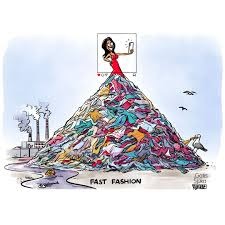
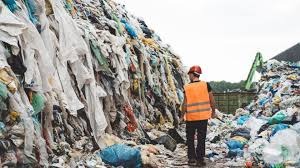
Fast fashion is a huge problem and is a major factor in the overflow of landfills. Fast fashion makes up over 85% of global landfills. The industry has led to over a 400% increase in the purchase of clothes. Another huge impact is fashion trends that are out of style as quickly as they came to popularity. It’s a constant cycle of bye and get rid of which leads to 92million tons of waste made completely of discarded clothes still in rather good shape. A good alternative is donating and handyman downs or you could go thrifting.
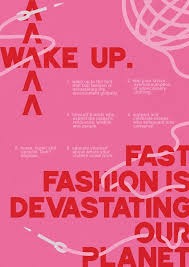
Fast fashion affects the environment in several harmful ways. The industry produces massive amounts of pollution through textile production, dyeing processes, and global shipping. Factories release toxic chemicals into rivers, and synthetic fabrics like polyester shed microplastics into oceans. Fast fashion also creates enormous textile waste because clothes are made cheaply and thrown away quickly. According to the United Nations Environment Programme, the fashion industry is one of the largest polluters in the world, contributing significantly to carbon emissions and water waste.
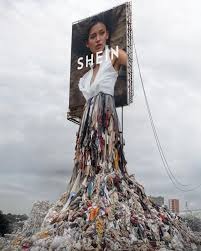
Examples of fast fashion include brands like Shein, Zara, H&M, and Forever 21. These companies produce trendy clothing at very low prices and release new styles frequently, encouraging consumers to constantly buy new items instead of reusing what they already own.
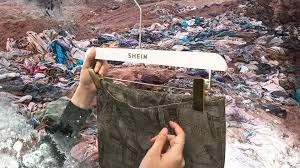
Alternatives to fast fashion include shopping at thrift stores, supporting sustainable clothing brands, buying higher-quality items that last longer, and participating in clothing swaps. Consumers can also repair clothes instead of discarding them. Sustainable brands focus on ethical labor practices and environmentally friendly materials such as organic cotton or recycled fabrics.