Electronic Waste
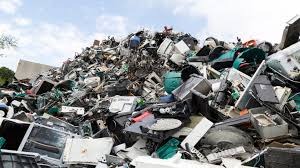
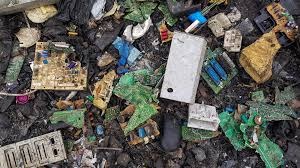
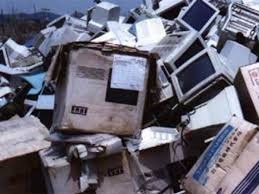
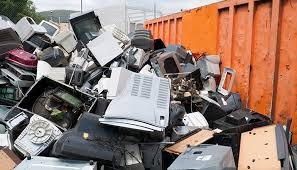
Electronic Waste
What is Electronic waste?
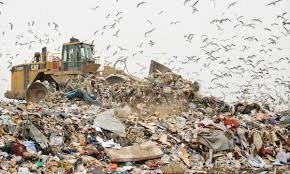
Electronic waste, or e-waste, refers to any discarded, broken, or unwanted electrical or electronic device, ranging from computers and phones to household appliances. It is the fastest-growing waste stream globally, often containing hazardous materials like lead and mercury, necessitating specialized recycling or disposal.
Electronic waste affects the environment by releasing toxic materials such as lead, mercury, and cadmium into soil and water when improperly disposed of. When electronics are dumped in landfills, these chemicals can leak and contaminate ecosystems. E-waste also contributes to air pollution when burned. The World Health Organization has warned that improper e-waste disposal poses serious risks to both environmental and human health.
Examples of electronic waste include old smartphones, broken laptops, outdated televisions, gaming consoles, batteries, and chargers. Major electronics companies like Apple Inc. and Samsung Electronics release new models frequently, which can encourage consumers to replace devices even when older ones still function
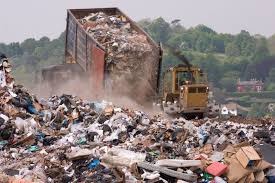
Alternatives to contributing to electronic waste include recycling electronics through certified e-waste recycling programs, donating working devices, repairing electronics instead of replacing them, and purchasing refurbished products. Many manufacturers and retailers offer trade-in programs that allow devices to be reused or responsibly recycled.